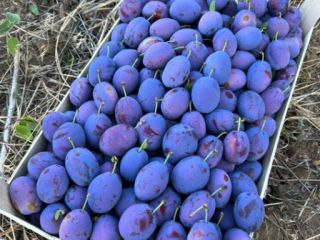
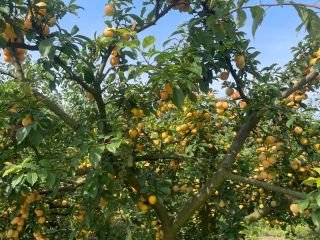
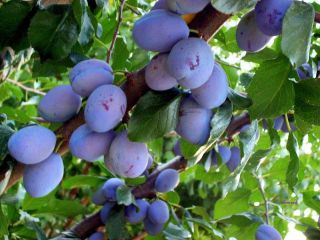
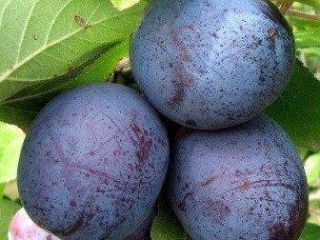
In the UK, as of November 2026, you can expect to pay about £1.50 for a 400g pack of plums. A 1kg pack typically costs around £1.59 per kg when on promotion, while regular supermarket prices hover closer to £1.99 per kg. Wholesale rates vary more broadly, ranging from £2.11 to £3.11 per kg depending on the specific plum variety. For instance, Victoria plums tend to fetch around £2.81 per kg, whereas other types average about £2.26 per kg.
Retail prices sit near £1.50 per 400g pack, while wholesale costs fluctuate between £2.11 and £3.11 per kg depending on variety and supplier as of November 2026.
I sell plums
November 2026 presents a promising opportunity for UK growers to boost their plum production. With climate shifts extending the harvest period, cultivating plums has become increasingly attractive. Typically harvested from late summer through early autumn, good storage methods make it possible to sell plums well into the cooler months.
If you’re selling fresh plums, promoting your produce on agricultural platforms or at local farm markets can help attract buyers such as retailers and food processors. Phrases like “Freshly picked Victoria plums in bulk from Kent orchards” or “Season-ending plum harvest now available-perfect for jam makers and local markets” resonate well. Many farmers look for buyers to offload surpluses, which helps reduce waste while boosting profits in the dynamic UK fruit sector.
I buy plums
I purchase plums directly from UK farmers, focusing on fresh, top-quality fruit picked during the season. This November 2026, I’m especially interested in early winter plum varieties suited for local markets and processing purposes.
If you’re growing plums and want to sell, I’m open to negotiating fair prices and reliable collection arrangements. Sample offers might be: “10 tonnes of freshly harvested Victoria plums ready for delivery” or “5 tonnes of organic, handpicked plums with minimal pesticide use.” Please share your harvest details so we can establish a smooth collaboration.
Purchase of plums
In the UK, plum purchasing depends on factors like seasonality, fruit quality, and market demand. By November 2026, as the harvest wraps up, supplies dwindle, often driving prices higher. Retail rates in some supermarkets reach about £1.99 per kilogram. Wholesale costs remain elevated due to production and packaging expenses.
The plum industry here faced hurdles from shifting weather patterns and competition from imports, both influencing availability and pricing. Additionally, the Bank of England’s recent hike in the base rate to 4% may impact consumer spending and market trends. Staying informed is key for businesses and consumers aiming to make smart purchasing decisions.
Where can you buy plums?
In the UK, plums can be found at local farms, farmers' markets, and wholesale agricultural hubs. For larger orders, the International Agricultural Exchange Agro-Market24 offers a reliable platform connecting growers with buyers. As the November 2026 season advances, availability changes, making such marketplaces crucial for timely access to plums.
Utilizing Agro-Market24 allows buyers to tap into a broad network of producers and benefit from competitive pricing, simplifying the buying process.
Where can you sell plums?
Several options exist for selling plums across the UK. Local farmers' markets provide direct access to customers who value fresh, locally sourced fruit. Agricultural cooperatives and wholesale markets connect sellers with larger clients like retailers and food manufacturers. For broader reach, Agro-Market24’s online exchange enables UK plum growers to showcase their products and connect with buyers throughout Europe and beyond.
November 2026 marks a peak period for many plum varieties in some UK areas, making it an ideal time to explore these sales channels to maximize income.

 Language

 Deutsch
 Español
 Italiano
 Magyar
 Polski
 Română
 Srpski
 Български
 Русский
 Contact