-
 Polski
-
 English
 -
 Български
 -
 Српски
 -
 Deutsch
 -
 Românesc
 -
 Magyar
 -
 Español
 -
 Pусский
 -
 Italiano
 Language
Polski
EnglishБългарскиСрпскиDeutschRomânescMagyarEspañolPусскийItalianoLanguage
Polski
EnglishБългарскиСрпскиDeutschRomânescMagyarEspañolPусскийItaliano
Language
Language
Polski
EnglishБългарскиСрпскиDeutschRomânescMagyarEspañolPусскийItalianoLanguage
Polski
EnglishБългарскиСрпскиDeutschRomânescMagyarEspañolPусскийItaliano





Below are announcements related to fruits ▾
Publication date:
In the UK, fruit prices fluctuate as October 2026 begins. Strawberries typically cost between £4.08 and £6.60 per kilogram, while blueberries hover around £9.55 per kilogram. Blackberries tend to be pricier, ranging from £15.35 to £16.33 per kilogram. Apples vary widely depending on the type, usually priced between £1.00 and £3.50 per kilogram. Bananas and pears are generally more affordable, with pears costing roughly £0.81 to £1.19 per kilogram, and common eating apples selling for about £1.22 to £1.69 per kilogram. Premium or organic varieties, however, can command significantly higher prices.
Looking for fresh, tasty fruit in the UK this October? Autumn means an abundance of seasonal apples and pears-perfect for baking or a healthy snack. You might spot special offers like "Organic Bramley apples, 5kg bag for £8" or "Sweet Conference pears, pack of 6 for £5." Alongside these, locally grown berries and plums make excellent choices for jams and desserts. For example, deals such as "Handpicked blackberries, 250g punnet for £3" or "Juicy Victoria plums, 1kg box for £6" can often be found. Whether shopping at farmers’ markets or browsing online, October provides a wonderful selection of British fruits to enjoy.
The fruit market in the UK remains vibrant and expanding. There’s high demand for fresh, top-quality fruits sourced directly from growers and distributors. Many buyers look for dependable suppliers to purchase large quantities of apples, pears, and berries, ensuring freshness and competitive prices. For example, you might come across notices like "Seeking 10 tons of organic apples for November delivery" or "Looking to buy bulk fresh strawberries for immediate shipment to London." These calls reflect the dynamic trade activity in Britain’s fruit sector during this time of year.
October 2026 has brought notable price shifts in the UK fruit market. Bananas have become more affordable at about £1.01 per kilogram, dropping 35.9% compared to last year. In contrast, mangoes have surged sharply, now averaging £4.54 per kilogram-an increase of 40.3%. Apples show a slight rise to £0.85 per kilogram, up 8.3% year-on-year. Meanwhile, pumpkins, squash, and gourds have climbed 21.9%, priced at £0.86 per kilogram. These fluctuations mirror changes in seasonal supply, import expenses, and domestic harvests.
Fruit is widely available across the UK through various channels including local markets, supermarkets, and specialized online platforms. For bulk buyers and businesses, Agro-Market24, an international agricultural marketplace, offers access to numerous suppliers and a broad range of fresh fruit. During October, seasonal varieties like apples, pears, and berries are especially easy to find. Utilizing platforms like Agro-Market24 helps secure competitive rates and dependable sources not only within the UK but throughout Europe and beyond, streamlining sourcing and ensuring consistent quality year-round.
If you’re selling fruit in the UK this October, several avenues are available. Local farmers' markets and independent fruit stalls attract customers seeking fresh, seasonal produce directly. Supermarkets and grocery chains typically purchase through wholesalers, making distributor partnerships key for larger-scale sales. Online marketplaces are also gaining traction, providing sellers with broader reach. For international exposure, Agro-Market24 connects UK sellers with buyers across Europe and beyond, opening doors to new markets, better prices, and export possibilities through these growing agricultural platforms.
|
Sell
Today
11:02
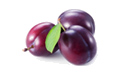
Quantity
50 - 100 t
Packaging
negotiable
Size
30+ mm
Quantity
50 - 100 t
Country of origin
Moldova
|
What are you looking for?What are you looking for? |
|
Sell
Today
08:26
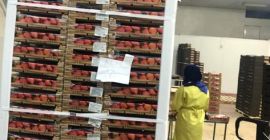


Quantity
1 - 5 t
Packaging
negotiable
Size
Quantity
1 - 5 t
Country of origin
Morocco
|
|
Sell
Today
06:44

Quantity
1 - 5 t
Packaging
negotiable
Size
55/60 mm
Quantity
1 - 5 t
Country of origin
Latvia
|
What country are you looking for an ad from?What country are you looking for an ad from? |
|
Sell
Today
05:56
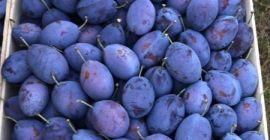
Quantity
100 - 1000 t
Packaging
negotiable
Size
Quantity
100 - 1000 t
Country of origin
Moldova
|
|
Sell
Yesterday
20:44
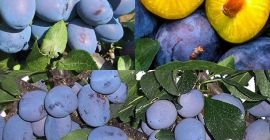
Quantity
100 - 1000 t
Packaging
negotiable
Size
30+ mm
Quantity
100 - 1000 t
Country of origin
Moldova
|


|
|
Sell
Yesterday
18:51
Quantity
5 - 20 t
mazovia province (PL)
Packaging
negotiable
Size
35+ mm
Quantity
5 - 20 t
Country of origin
Poland
|
|
Sell
Yesterday
17:59
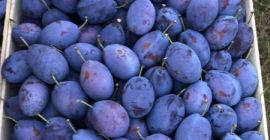
Quantity
100 - 1000 t
Packaging
negotiable
Size
Quantity
100 - 1000 t
Country of origin
Moldova
|
|
Sell
Yesterday
15:21
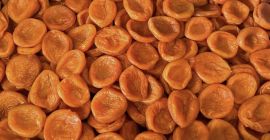
Quantity
5 - 20 t
Poland (PL)
Packaging
negotiable
Size
Quantity
5 - 20 t
Country of origin
Poland
|
|
Sell
Yesterday
15:21
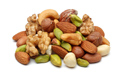
Quantity
5 - 20 t
Poland (PL)
Packaging
negotiable
Size
Quantity
5 - 20 t
Country of origin
Poland
|
|
|
|
Sell
Yesterday
15:16
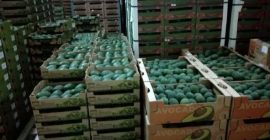
Quantity
50 - 100 t
Packaging
cardboard
Size
Quantity
50 - 100 t
Country of origin
Peru
|
|
Buy
Yesterday
15:16

Quantity
1 - 5 t
Packaging
negotiable
Size
30+ mm
Quantity
1 - 5 t
Country of origin
Poland
|
|
Sell
Yesterday
14:21
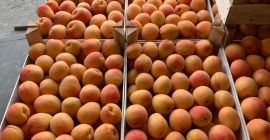
Quantity
50 - 100 t
Packaging
negotiable
Size
30+ mm
Quantity
50 - 100 t
Country of origin
Serbia
|
|
Sell
Yesterday
13:51
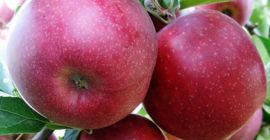
Quantity
20 - 50 t
mazovia province (PL)
Packaging
cardboard
Size
65+ mm
Quantity
20 - 50 t
Country of origin
Poland
|
|
Sell
Yesterday
13:21
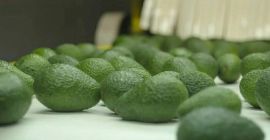
Quantity
1 - 5 t.pcs.
Packaging
negotiable
Size
Quantity
1 - 5 t.pcs.
Country of origin
Peru
|
|
Buy
Yesterday
12:34
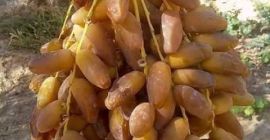
Quantity
100 - 1000 t
Packaging
negotiable
Size
Quantity
100 - 1000 t
Country of origin
Tunisia
|
|
Sell
Yesterday
12:33

Quantity
1 - 5 t
Packaging
cardboard
Size
Quantity
1 - 5 t
Country of origin
Poland
|
|
Sell
Yesterday
12:33

Quantity
1 - 5 t
Packaging
cardboard
Size
Quantity
1 - 5 t
Country of origin
Poland
|
|
Sell
Yesterday
12:33

Quantity
1 - 5 t
Packaging
cardboard
Size
Quantity
1 - 5 t
Country of origin
Poland
|
|
Sell
Yesterday
12:33

Quantity
1 - 5 t
Packaging
cardboard
Size
Quantity
1 - 5 t
Country of origin
Poland
|

An account has been created successfully! You have been logged in automatically.
International Agricultural Exchange
Copyright © 2026 Agro-Market24
All rights reserved.
Wprowadź adres e-mail lub nr telefonu oraz hasło
 Contact
 Details
 Contact
 Contact us